The American Academy of Dermatology (AAD) 2026 Annual Meeting in Denver in March 2026 was an important moment for the sarcoidosis community, especially for people living with skin (cutaneous) sarcoidosis. This year’s meeting featured more than 275 sessions covering clinical care, new treatments, and basic research, with a strong focus on late‑breaking data that could change how doctors practice in the near future. For a condition like sarcoidosis that has long been under‑recognized in dermatology, this kind of spotlight is both overdue and very welcome.
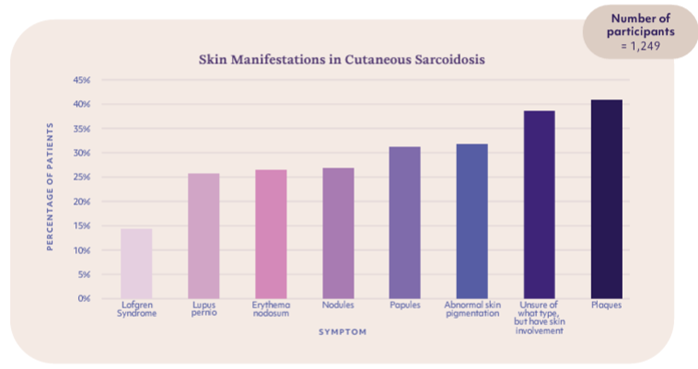
Cutaneous sarcoidosis is the second most common form of sarcoidosis and occurs in approximately 30% of patients. In FSR’s Patient Registry Impact Report published in 2025, 22% of participants reported a diagnosis. The most common reported skin symptoms in the FSR Patient Registry were plaques (41%), abnormal skin pigmentation (32%), and papules (small, raised bumps) (31%).
Skin sarcoidosis often appears on visible areas like the face, neck, arms, or scars, which can affect not only physical health but also confidence, social life, and emotional well‑being. Unfortunately, there are currently no FDA‑approved treatments specifically for cutaneous sarcoidosis, with patients and providers often relying on off‑label use of steroids and other immune‑suppressing medications, each with its own side effects and limitations.
The Medical Dermatology Society meeting, which took place the day before AAD 2026, featured a highlight on new data from the BEACON clinical trial – a study of a medication being tested for cutaneous sarcoidosis. BEACON is the first clinical trial in cutaneous sarcoidosis to report positive results, a strong signal that companies and researchers are finally investing in targeted therapies for this form of the disease. For patients, this means that real, evidence‑based treatment options designed specifically for sarcoidosis skin involvement may be moving closer to reality.
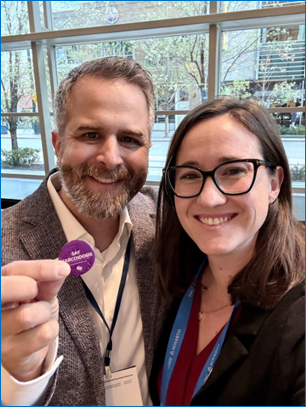
Dr. Micha Rosenbach, University of Pennsylvania, FSR-Global Sarcoidosis Clinic Alliance Member with Elise Hoover, FSR VP of Research.
Sarcoidosis was also featured in the AAD sessions “Granulomatous Disorders of the Adult Skin” and “JAK Inhibitors: A New Frontier in Dermatology,” where speakers emphasized how important it is for dermatologists to recognize and distinguish between different granulomatous conditions. Correct diagnosis requires careful attention to both the skin exam and what pathologists see under the microscope. Dermatologists were empowered to screen for other organ involvement, particularly cardiac sarcoidosis. JAK inhibitors were also highlighted as promising therapies for sarcoidosis (including the medication being studied in the BEACON trial). Speakers included FSR Scientific Advisory Board experts Dr. Misha Rosenbach, Dr. Sontonye Imadojemu, and Dr. Avrom Caplan, who are leading the way in sarcoidosis awareness and advocacy.
While at AAD, FSR met with other members of the Coalition of Skin Diseases. As the largest consortium of skin disease patient advocacy organizations in the United States, the efforts of the Coalition aim to ensure that all Americans living with dermatological diseases and skin traumas receive the care they need to live healthy and productive lives.
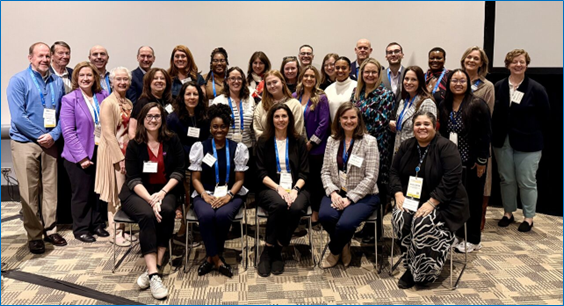
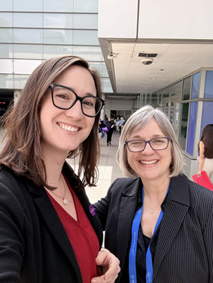 Dr. Mary McGonagle was also present at AAD. Dr. McGonagle recently presented on an FSR webinar, “Cutaneous Sarcoidosis: Clinical Insights, Lived Experience, and Advocacy”, and is a treasured advocate for sarcoidosis research both as a clinician and as a loved one of an individual with sarcoidosis.
What does all of this mean for patients and caregivers? First, it means that skin sarcoidosis is gaining visibility at one of the largest and most influential dermatology meetings in the world. Second, it shows that leaders connected to FSR are helping to guide how dermatologists think about diagnosing and treating granulomatous skin disease. And finally, it offers real hope that the next generation of targeted treatments could bring safer, more effective options to people who have long relied on flawed therapies. As these studies move forward, FSR will continue to keep the patient community updated and to advocate for research that addresses the full impact of sarcoidosis on both skin and overall health.
Learn more about cutaneous sarcoidosis here.