
My name is Scarlette Washlock, and I was diagnosed with sarcoidosis when I was 12 years old.
I am honored that the Foundation for Sarcoidosis Research asked me to share my story. As I brainstormed what to write, I felt so fatigued that I had to sleep and try again the next day. This cycle repeated for at least two weeks before I finally had enough strength to write. Fatigue is a defining trait of sarcoidosis, and it can make even the simplest tasks feel impossible.
This disease has significantly impacted my teenage and young adult life in many ways—doctors and family not understanding, losing friends and relationships, missing out on social events, and struggling with school and college. Despite these challenges, sarcoidosis has shaped me into the best person I can be, and in an unexpected way, it has given me a gift.
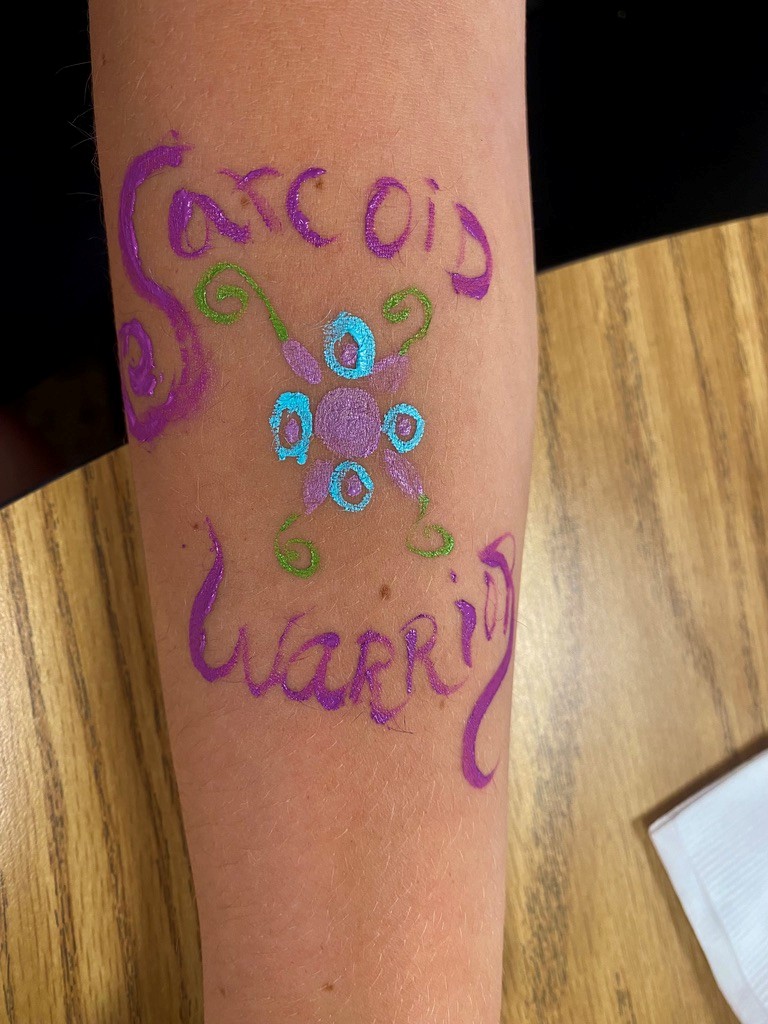 In November 2019, a chest X-ray revealed multiple lesions overtaking my lungs. I underwent an emergency lung biopsy and was diagnosed with sarcoidosis. While it was a relief to learn the lesions were not cancerous, the overwhelming question remained: What do we do now? I was told that this disease was in my lungs, skin, eyes and lymph nodes and had the possibility of spreading. My common symptoms include joint pain, shortness of breath, stomachaches, headaches, erythema nodosum, fevers, and severe fatigue. Like any serious illness, receiving this diagnosis was difficult, but what was even harder to accept was that sarcoidosis is incurable. I had to travel around the country to find doctors that worked for me, and I was put on long-term steroids and methotrexate. Having a pediatric rare disease can be very isolating. It can feel like doctors and even parents and family think you are making symptoms up.
During this time, I lost a lot of my will to live. I lost friends, had to stop competitive Irish dancing and softball, and had to eliminate anything that caused extra stress in my life—even something as exciting as a trip to Disney World. Today, I am still in a flare, and every day is a struggle. However, over the past six years, I have learned how to manage my disease. Here are seven tips I found helpful and may be able to help you.
Love Yourself: Your body may change while undergoing treatment for your sarcoid. Being on different medications, changing your diet, and worsening symptoms can alter your appearance and abilities. I was just twelve years old trying to pull on my clothes but realizing prednisone made me gain 20lbs in two weeks and my legs were covered in stretch marks. At that moment I wish I could hug myself and tell myself I have to love myself and everything will be ok. Believing in yourself through this journey is essential.
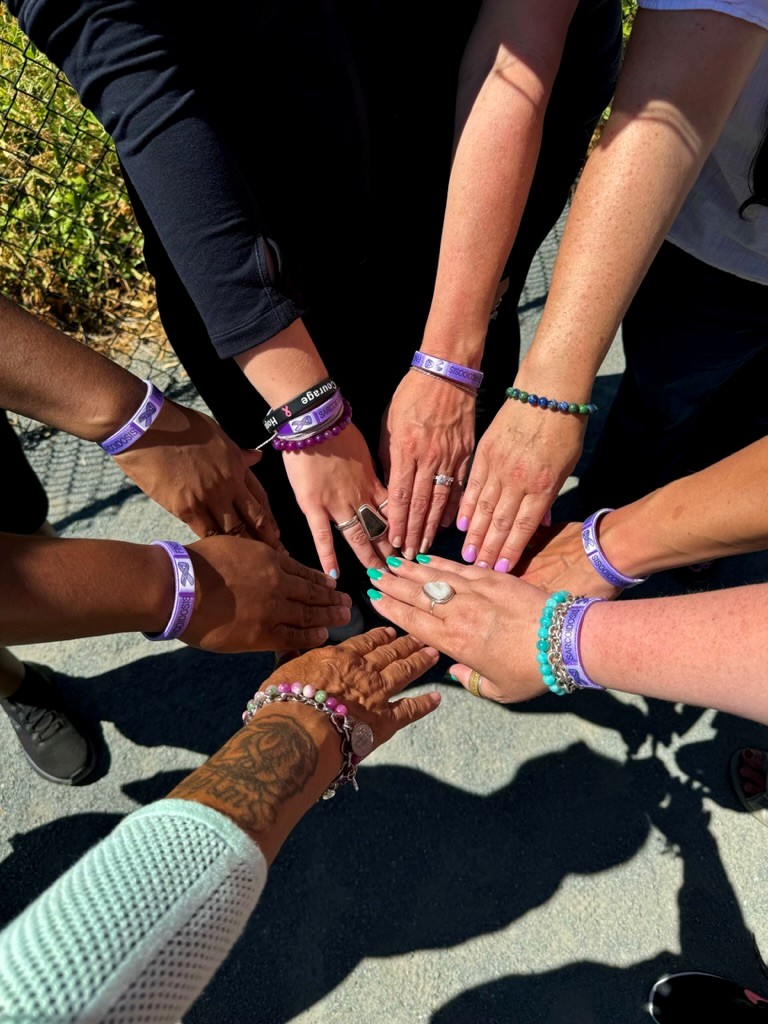 Find One Person to Share With: It’s so easy to keep yourself isolated when dealing with this disease; however, it is so important to have at least one person to confide in. Whether it is a parent or a professional, it will make you feel so much better having a place to get your emotions out. I learned the hard way that bottling up emotions only leads to an eventual breakdown. Recently, I traveled to Seattle, Washington, to meet with other sarcoidosis patients. Now, I have an outlet of wonderful women who truly understand my experience.
Have a Sarcoidosis Journal: Each night, write down the symptoms you had that day. Note if anything got worse or better. You should take the journal to your doctor appointments so you have a clear look at how you’ve been feeling over time.
The Walks Do Help (if able): I understand how hard moving around with joint pain/shortness of breath is (right now, I can’t climb a flight of stairs), but motion is lotion. Even though I know you feel too tired to even get up, just go for a slow five minute walk every day. Trust me, simply being outside can significantly improve your mood.
Drink Some Ginger Tea: After a long day at doctor appointments and scans, I love to curl up on the couch with a hot cup of ginger tea. Ginger tea is easy to make (or buy) and has natural anti-inflammatory properties. “Ginger Benefits” written by John Hopkins Medicine states, “Ginger contains over 400 natural compounds, and some of these are anti-inflammatory.” Of course, when adding a food ingredient to your diet, please consult your doctor beforehand.
It Is OK to Take a Day Off: For a long time, I wanted to pretend nothing was wrong and just push through. It is ok to yearn for your “normal” life back but remember you are allowed to take a break and let yourself relax. For me, stress triggers my disease, so I have to take breaks often to avoid worsening my symptoms. Embrace this and maybe pick up a hobby such as painting to do in your rest time.
When You Are Ready, Share Your Story: You are beautiful and deserve to show what you have been through. It took me five years to come to terms with my disease. I’ve been told it might go away one day, and I can only hope for that, but in the meantime, I can use my journey to inspire others. You have the ability to do the same.
I will be starting my next adventure hopefully Studying Medicine at The University of Arizona in the fall. I know my purpose in life is to guide others through their own journey of having a rare disease. When I felt like I had no one who understood and was being told I was going crazy, I will make sure my patients never feel that way. I will study medicine because even though there is no way to cure myself, maybe I can cure others. Along with finding my purpose in life, I’ve also learned the importance of gratitude, connection, advocacy and how to balance education and illness. These lessons and the opportunities sarcoidosis has given me are fundamental to my personal growth and success. I hope my story provides hope and support to others with rare diseases who feel misunderstood or isolated, and it helps you realize, in a way, this journey has been a gift all along.
About the Author:
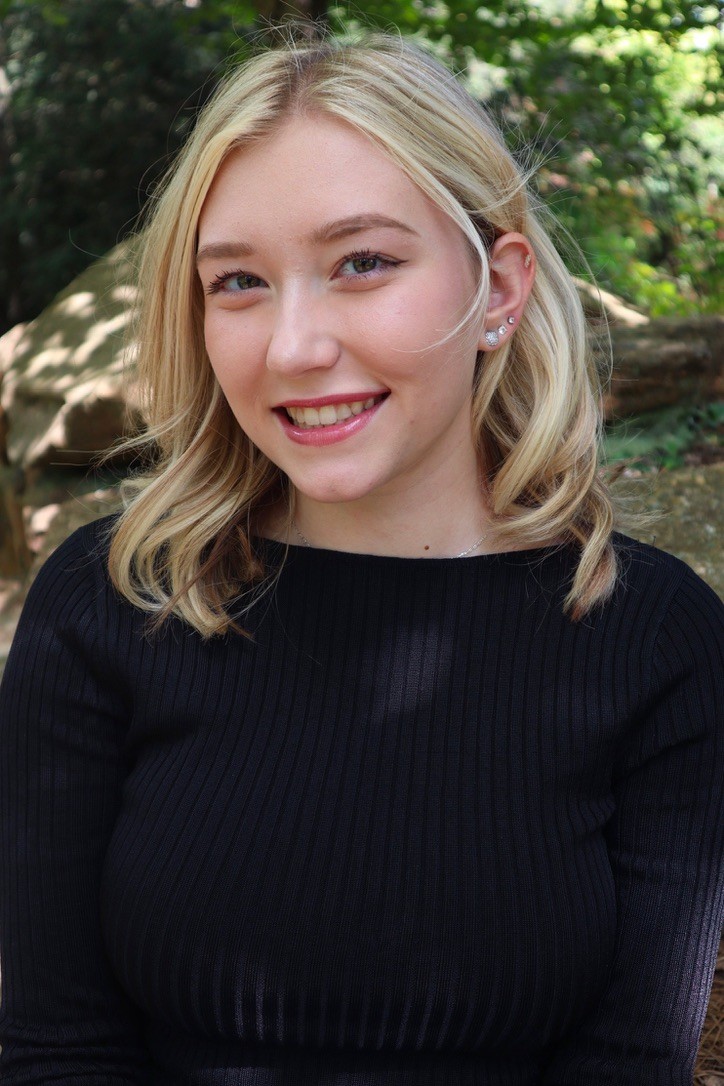 Scarlette F. Washlock is an eighteen year old senior at Mentor High School and a Junior at Lakeland Community College. She has spent most of her life living just outside of Cleveland, Ohio. At age 12, Scarlette suffered a chronic disease called Sarcoidosis that took over her lungs, lymph nodes, eyes, and skin. Today, she is still undergoing treatment and claims this disease has made her the better person she is today. Being a part of her high school’s Student Government (Senior Vice President) and National Honors Society, she has learned the values of teamwork and leadership. Scarlette is also a self taught artist. You can see her work hanging up in congressman Dave Joyce’s Warren Office. She also has been recognized in the Scholastic Art and Writing contest with an honorable mention. She loves her job at Classic Auto Group as a receptionist and spends lots of time watching the sunset at Headlands beach with her sister and friends.